Slow Down and Sip: Why Qahwa Is Becoming the Wellness Ritual Americans Didn't Know They Needed
Walk into any trendy wellness café in Austin, Brooklyn, or Los Angeles these days, and you might notice something a little different on the menu. Tucked between the turmeric lattes and mushroom espressos is a small, golden cup of something fragrant and unfamiliar. The label might say "Arabic coffee" or "Gulf-style qahwa," and if you're curious enough to order it, you're joining a quiet but growing movement that's bringing one of the Arab world's most beloved traditions straight into American daily life.
Qahwa — pronounced roughly like "gah-wa" — isn't your average morning brew. It's a lightly roasted, cardamom-spiced coffee that's been central to hospitality and community in the Arabian Peninsula for centuries. And right now, it's having a genuine cultural moment in the US wellness scene.
What Is Qahwa, Exactly?
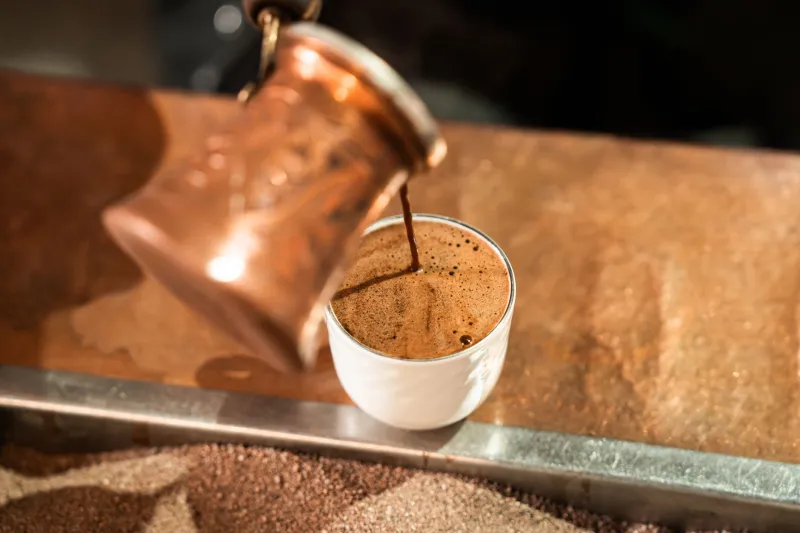
Unlike the dark, bitter espresso shots most Americans reach for, qahwa is made from green or lightly roasted coffee beans, giving it a pale golden color and a much gentler flavor profile. The magic is in the spices — cardamom is the star, but saffron, cloves, and dried rosebuds often make appearances depending on regional tradition. In Gulf Arab culture, qahwa is typically served in small handleless cups called finajeen and poured from a long-spouted pot called a dallah.
But here's the thing that makes it genuinely different from grabbing a cold brew on your way to a meeting: qahwa isn't meant to be consumed in a hurry. The preparation is slow and deliberate. The serving is an act of generosity. The drinking is a moment of connection. You don't chug qahwa. You receive it, you hold it, and you sit with whoever poured it for you.
That ceremonial quality is exactly what's catching the attention of Americans who are increasingly burned out on their own relationship with caffeine.
The Wellness Angle That's Getting People Talking
Let's be honest — Americans have a complicated relationship with coffee. We love it, we depend on it, and we often feel guilty about it. The wellness industry has spent years offering alternatives: matcha, adaptogenic blends, mushroom coffee, you name it. Qahwa is slipping into that conversation in a compelling way.
Because it's made from lighter roasts, qahwa tends to have less caffeine than a typical American cup of coffee, which means less of the jitteriness and anxiety that a lot of people are trying to manage. Cardamom — qahwa's defining spice — has a long history in Ayurvedic and traditional medicine as a digestive aid and anti-inflammatory ingredient. Some wellness practitioners are pointing to these properties as reasons to pay attention.
Natural health coach Layla Nassar, who runs a wellness practice in Dearborn, Michigan — home to one of the largest Arab-American communities in the country — has been introducing qahwa to her clients for the past two years. "People come to me overwhelmed and overstimulated," she told us. "When I walk them through making qahwa — the grinding, the simmering, the waiting — something shifts. It's almost meditative before you even take a sip."
That mindfulness angle is resonating widely. In a culture obsessed with productivity hacks and biohacking, the idea of a coffee ritual that actually asks you to slow down feels almost radical.
Arab-Americans as Cultural Ambassadors
The rise of qahwa in American wellness spaces isn't happening in a vacuum. A big part of the story is the Arab-American community actively sharing this tradition with their neighbors, coworkers, and customers.
In cities like Houston, Chicago, and San Diego, Arab-American entrepreneurs are opening specialty coffee shops where qahwa isn't a novelty — it's the main event. Khalil Issa, who opened a small café in Houston's Montrose neighborhood last year, said he never expected the response he got. "I thought I'd mostly serve people from the community who grew up with it," he said. "But my regulars now are all kinds of people — nurses coming off shifts, artists, tech workers. They say it makes them feel calm in a way their usual coffee doesn't."
Khalil teaches his customers about the ritual as part of the experience. He explains the significance of the dallah, why qahwa is traditionally served to guests first as a sign of respect, and how refusing a refill is done with a gentle shake of the cup. That cultural context, he says, is what keeps people coming back.
Social media has played a huge role too. Arab-American creators on TikTok and Instagram have been posting qahwa preparation videos that rack up hundreds of thousands of views — the slow pour, the rising steam, the golden color catching the light. It's aesthetically beautiful, and it tells a story that resonates with people hungry for something with meaning behind it.
Not Just a Trend — A Living Tradition
It's worth pausing here to acknowledge something important: for Arab and Gulf communities, qahwa has never gone anywhere. It's been a cornerstone of weddings, business meetings, family gatherings, and everyday hospitality for generations. The "moment" qahwa is having in American wellness culture is really just the rest of the country catching up to something that was always extraordinary.
That distinction matters to people like Nassar and Issa, who are proud to share their culture but are also thoughtful about how it's represented. "I want people to enjoy qahwa," Nassar says, "but I also want them to understand where it comes from and what it means. It's not just a health drink. It's a way of being present with people."
At Al Farra, we think that's a pretty good philosophy for all of us to carry into our daily lives — whether we're sipping qahwa or not. But honestly? Sipping qahwa makes it a lot easier.
Where to Find Qahwa Near You
If you want to try qahwa without making it yourself, look for Middle Eastern grocery stores, Arab-owned cafés, or specialty spice shops in your city. Many will carry pre-blended qahwa mixes that include cardamom and saffron. You can also find high-quality options online from small Arab-American businesses.
And if you want to go full ceremony at home, invest in a dallah pot and some small finajeen cups. Brew it low and slow, invite someone you care about, and let the conversation happen naturally. That's the whole point.