Threads of Identity: How Arab-American Gen Z Is Turning TikTok Into a Modest Fashion Runway
Photo: David Lienemann, Public domain, via Wikimedia Commons
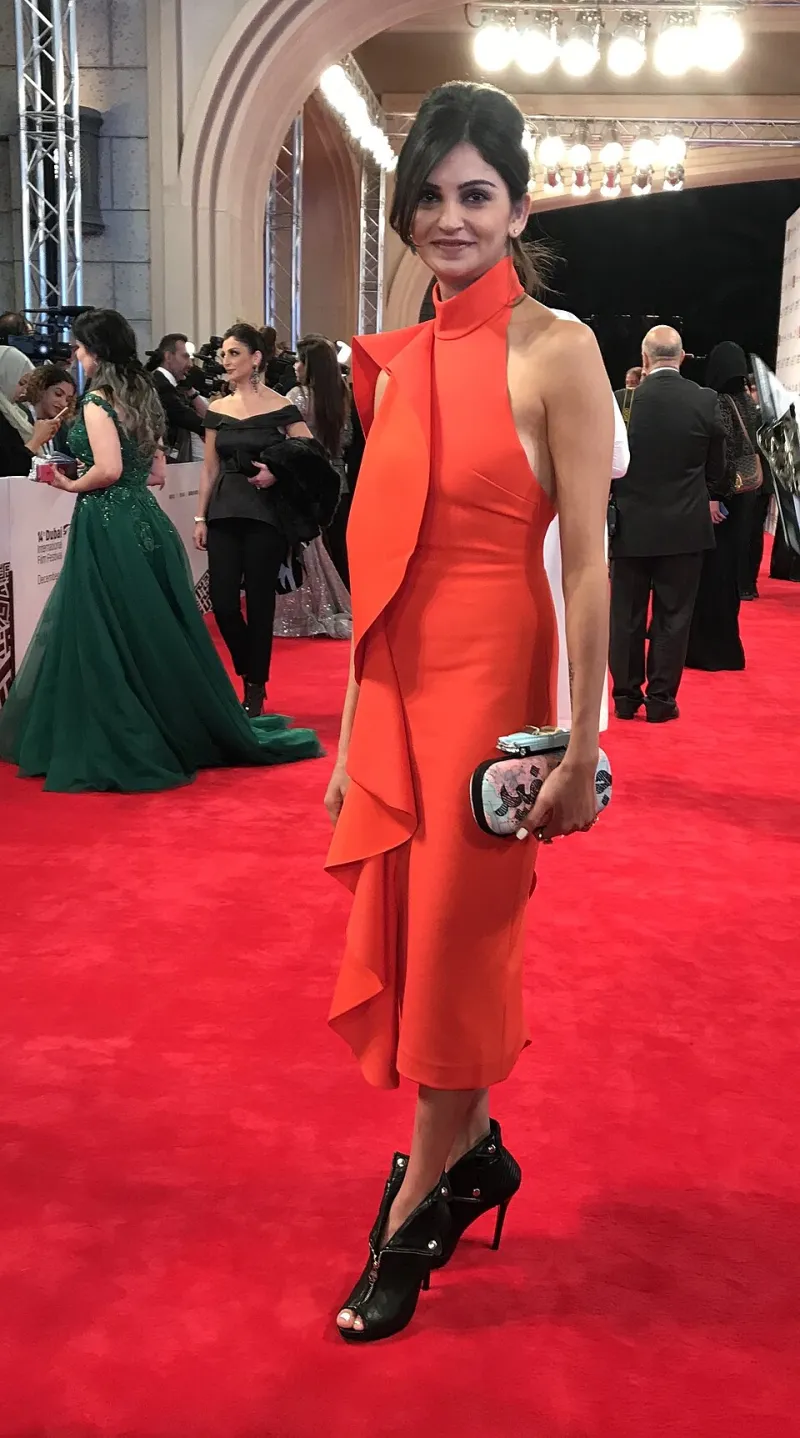
Scroll through TikTok on any given afternoon and you'll probably land on at least one video that stops you cold — not because of a trending sound or a viral dance, but because of what someone is wearing. A flowing co-ord set in dusty rose, cinched with a leather belt and styled with chunky sneakers. A hijab wrapped in a way that somehow looks both ancient and completely of-the-moment. A thobe reimagined in streetwear silhouettes. This is the new face of Arab-American fashion, and Gen Z is the one holding the camera.
For years, modest fashion existed on the margins of mainstream American style conversations. But something shifted — and it shifted fast. A confluence of social media, cultural pride, and sheer creative energy from young Arab-American designers and influencers has pushed this aesthetic into the center of the conversation. And it's not just resonating within the community. It's going genuinely viral.
More Than a Trend — It's a Statement
Ask any of the creators driving this movement and they'll tell you the same thing: this isn't about performing identity for clicks. It's about reclaiming it.
Take Nour Khalil, a 22-year-old Palestinian-American from Dearborn, Michigan, who started posting styling videos during the pandemic. Her content — which layers traditional keffiyeh patterns into very-much-Gen-Z outfits — has racked up hundreds of thousands of followers across platforms. "I grew up feeling like I had to choose between looking 'American' and looking like myself," she says. "Now I'm done choosing. I want both, and I want it to look good."
That tension between belonging and heritage is something a lot of young Arab-Americans know intimately. Fashion, it turns out, is one of the most visible ways to work through it — and one of the most powerful ways to say I'm here, and I'm not hiding.
The Brands Making It Happen
Behind the influencer content is a growing ecosystem of small labels and independent designers who are doing the actual work of building an Arab-American fashion identity.
Badia Studios, founded by Lebanese-American designer Lina Badia out of Los Angeles, has become something of a cult favorite for its use of traditional Arabic embroidery on contemporary silhouettes — think wide-leg trousers with hand-stitched floral motifs at the hem, or oversized blazers with subtle geometric prints pulled from Moroccan tilework. The brand operates mostly through Instagram drops and pop-ups, which keeps things exclusive and community-rooted.
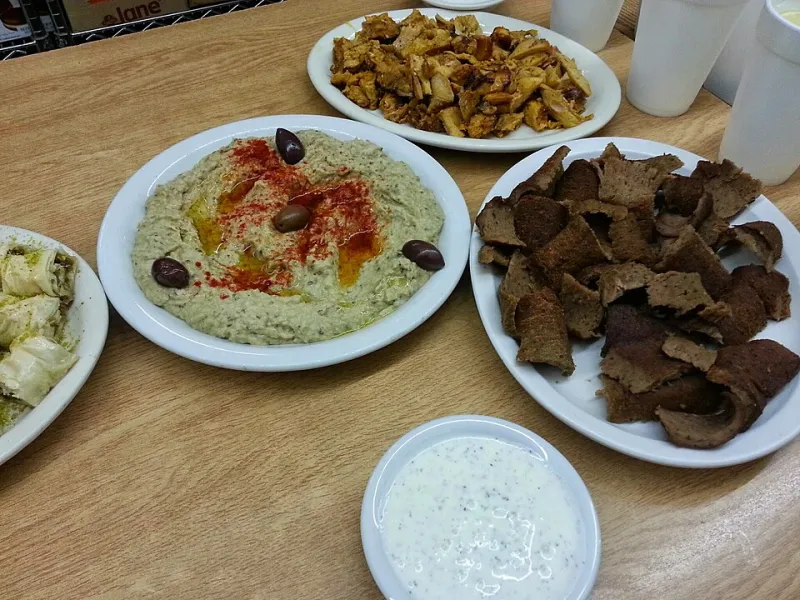
Out of New York, Zafaran Label (named after the Arabic word for saffron) is doing something slightly different — taking the color palettes and textile traditions of the Arabian Peninsula and translating them into ready-to-wear pieces that work just as well at a Brooklyn farmers market as they do at an Eid gathering. Founder Rania Al-Masri, 26, says she designs specifically for the Arab-American woman who lives fully in both worlds. "She's eating a falafel wrap on her lunch break and going to a rooftop party that night. She needs clothes that can do all of that with her."
Styling Tips Straight From the Creators
One of the reasons this movement is spreading so fast is that the creators themselves are incredibly generous with their knowledge. Here are some of the styling approaches getting the most traction right now:
- Layer textures, not just colors. Pairing a structured abaya with a denim jacket or leather accessories gives the look dimension and keeps it feeling current rather than costume-y.
- Play with proportion. Wide, flowing bottoms with a fitted or tucked-in top — or vice versa — is a silhouette that shows up constantly in Arab fashion history and happens to be very much on-trend right now.
- Use the hijab as a style element, not an afterthought. Creators like Nour are experimenting with silk scarves, oversized wraps, and even structured turbans that function as the focal point of an outfit rather than something to coordinate around.
- Incorporate heritage textiles. Even one piece — a bag, a scarf, a belt — made from or inspired by traditional fabrics like Palestinian tatreez, Moroccan brocade, or Gulf-region silk can anchor a whole look in cultural identity.
The TikTok Effect
What's made all of this explode is obviously the platform itself. TikTok's algorithm doesn't care about gatekeepers. It doesn't care that Arab-American fashion hasn't historically had a seat at the New York Fashion Week table. If the content resonates, it travels — and this content is resonating hard.
Hashtags like #ModestFashion, #ArabStyle, and #HijabFashion collectively pull billions of views. But what's new is how Arab-American creators are moving beyond those niche tags and showing up in broader fashion and lifestyle spaces. They're not waiting to be invited into the mainstream conversation. They're just... joining it.
Creator and stylist Yasmine Daoud, 24, who grew up in Houston, frames it simply: "When I post a look, I'm not posting for Arab girls specifically. I'm posting for anyone who loves fashion. And it turns out a lot of people love what we're doing."
What This Means for American Fashion Culture
The broader implication here is significant. American fashion has always been a story of immigration and cultural exchange — but Arab-American aesthetics have often been left out of that narrative, or worse, flattened into stereotypes. What Gen Z is doing right now is insisting on complexity, nuance, and full creative authorship.
The community hub that Al Farra represents is, in many ways, exactly the kind of space that makes this possible — a place where culture isn't a footnote but the whole point. And watching these young designers and creators build something genuinely new out of something deeply old? That's the kind of story worth telling.
Follow the feeds. Buy the drops. And maybe rethink what you thought you knew about modest fashion — because it just got a serious upgrade.