While the City Sleeps: The Arab-American Night Shift Workers Quietly Holding America Together
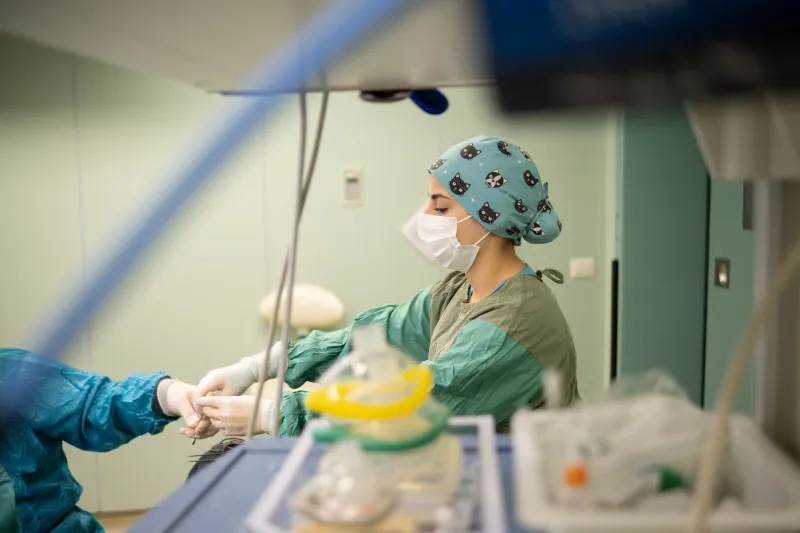
It's 2:47 a.m. in Dearborn, Michigan. Rania Khalil is halfway through a twelve-hour nursing shift at a regional hospital, her scrubs carrying the quiet evidence of another relentless night. Back home, her mother has left a covered plate of mjaddara in the fridge — a small, warm act of solidarity across the time zones of their shared household. Rania won't eat it until sunrise. But knowing it's there means everything.
This is the rhythm of a life most people never think about. And Rania is far from alone.
Across the United States, Arab-American workers are logging serious hours in the overnight economy — the invisible infrastructure that keeps hospitals staffed, emergency lines answered, goods shipped, and cities functional while the rest of us sleep. They're nurses and EMTs, logistics supervisors and convenience store owners, hotel managers and security personnel. They are, in many ways, the backbone of the 24/7 America we take for granted. And yet, their stories rarely make it into the cultural conversation.
Al Farra wanted to change that.
The Graveyard Shift Has a Long History in This Community
It's no accident that so many Arab-Americans end up working nontraditional hours. Immigration patterns, economic necessity, and entrepreneurial hustle have long steered newcomers toward the jobs that others pass on — the overnight gas station, the late-night diner, the all-hours bodega. First-generation families built footholds in America through exactly these kinds of grinding, unglamorous shifts.
But something has shifted in the second and third generations. Today's Arab-American night workers aren't just filling gaps out of desperation. Many have actively chosen demanding overnight careers in healthcare, logistics, and public safety — fields that offer real wages, benefits, and a sense of purpose. The graveyard shift, for them, is less a last resort and more a calculated trade-off.
"I chose nights," says Kareem Nassar, a warehouse operations manager in the Chicago suburbs who oversees a fulfillment center for a major e-commerce retailer. "The pay differential is better, and honestly, the daytime politics in these places can be exhausting. At night, it's just you and the work."
Kareem is Palestinian-American, second generation, and the kind of person who talks about logistics the way other people talk about art. He manages a team of over forty people on the overnight floor, coordinates inbound shipments, and troubleshoots the kind of problems that can't wait until morning. He gets home around 7 a.m., sleeps until early afternoon, and is usually awake in time for a late family dinner — the one meal that anchors his week.
The Cultural Tension Nobody Talks About
Here's the thing about Arab-American family culture: it runs on presence. The table is sacred. The gathering is the point. Friday nights, Sunday lunches, holiday dinners, impromptu visits from relatives who never quite got the concept of calling ahead — these are the connective tissues of community life. And all of them happen at hours when night shift workers are either on the clock or crashed out recovering.
The friction this creates is real, and it's something many Arab-American night workers navigate quietly, without a lot of external support or understanding.
"My teta — my grandmother — she didn't understand for years," admits Lina Haddad, an emergency medical dispatcher based in Houston. "She thought I was avoiding family. She'd say, 'Why do you work when everyone is sleeping? What kind of job is that?' It took a long time to explain that someone has to answer the phone at 3 a.m. when there's a car accident."
Lina eventually brought her grandmother to her workplace for a visit. Watching Lina field a real call — calm, precise, guiding a panicked caller through CPR instructions — changed something. "She cried," Lina says. "After that, she told everyone in the family that I was saving lives. Which I mean, sometimes we do."
This gap between cultural expectation and professional reality is something that plays out in countless Arab-American households across the country. The solution, more often than not, is creative adaptation rather than conflict. Night workers shift family traditions to fit their schedules. Saturday afternoon becomes the new Friday night. Eid celebrations get restructured around who's on which shift. Mothers learn to keep plates warm until unconventional hours.
Staying Connected When You're on a Different Clock
One of the underreported gifts of the modern night shift is the group chat. Seriously.
For Arab-American night workers, the family WhatsApp thread becomes a lifeline — a rolling, 24-hour stream of voice notes, food photos, memes in Arabic and English, and the kind of low-stakes chatter that substitutes for physical togetherness. At 4 a.m., when the hospital floor is quiet or the warehouse hum is steady, a quick scroll through the family thread can feel like a visit home.
"My mom sends me voice notes at like midnight her time, which is when I'm on break," says Youssef Amin, a registered nurse in Phoenix who works nights in a cardiac unit. "She doesn't even realize the timing works out perfectly. She just talks — about the neighbors, about what she cooked, about my cousin's new baby. I sit in the break room and just listen. It's grounding."
Beyond family, many Arab-American night workers have found community in unexpected places — coworkers who share similar cultural backgrounds, informal networks of overnight professionals who get together on weekday mornings when the rest of the world is at work, and online communities where the night shift experience is normalized and celebrated rather than treated as something to apologize for.
The Invisible Empire, Brick by Brick
There's a certain pride that runs through almost every conversation with Arab-American night workers — a quiet, unspectacular confidence that comes from doing hard work without an audience. These aren't people who post about their hustle. They just hustle.
Kareem, the warehouse manager in Chicago, is putting his two kids through college on what he's built over fifteen years of overnight shifts. Lina, the dispatcher in Houston, recently bought her first house. Youssef is three years into a nurse practitioner program he's completing entirely online, mostly during the slow hours of his overnight breaks.
None of them are waiting to be celebrated. But maybe they deserve a little recognition anyway.
The Arab-American experience in the United States has always been, in part, a story about showing up — in spaces that weren't built for you, at hours that aren't convenient, doing work that rarely gets a spotlight. The night shift is just the latest chapter in that story.
And somewhere in Dearborn, as the sun starts to come up, Rania Khalil is finishing her shift. She'll drive home through empty streets, eat that plate of mjaddara her mother left, and be asleep before most of her neighbors have finished their morning coffee.
The city doesn't know her name. But it needed her last night.
And it'll need her again tomorrow.